Friday, December 10, 2021

Bedroom Measurement

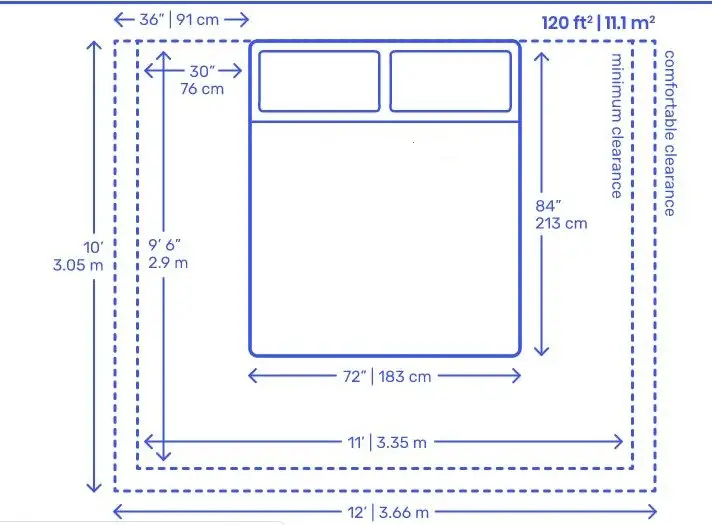
Move as a lot as 12ft x 12ft (3.sixty six x 3.66m) and you've got got room for a wall of wardrobes. Sliding doors on the wardrobes are important to make this scheme workable. With this standard peak in thoughts, it is the homemakers’ selection if they want a door broader or longer to combine with a excessive ceiling home or whatnot. There should be a 36 inches clearance space across the mattress to find a way to move about comfortably.

Just whereas we're on bunk beds, I've given you the ceiling heights down below and you could also find the in-built bunk beds page useful. It is at all times smart to decorate around the greatest furniture you're planning to designate this room for. If you use bunk beds, a ten ft. x 10 ft. twins’ room will look bigger and have more space to add furniture. Situating the bunk beds near the wall might make room for two study desks with chairs. Since a double measurement bed is common for traditional rooms, the average room size to accommodate a double size bed, two bedside tables, and a small wardrobe is 9 ft. by 9 ft. and 6 inches. A kids’ bedroom is taken into account to be a small bed room and is often half the scale or one-third of the dimensions of the main bedroom.

Minimum Bed Room Size For A Double Mattress

Alternatively, you need to use a Queen bed to offer extra residing house. On common, the common home master suite in all dwellings is between 200 and 250 ft sq., however the average dimension of the primary bedroom in today’s newer homes is nearer to 350 sq. toes. Therefore, the dimensions of the bogs ought to match the dimensions of the master suite. Prefer a comfortable standard-sized master bedroom to a spacious Royal Suite? No one stops you from compromising on the way it makes you are feeling extra snug and relaxed.

master bedroom dimensions

A standard small lecture room measures 10 by 10 toes or 3.04 by three.04 meters. A medium-sized one measures 12 by 12 or three.sixty five by 3.sixty five meters, and a large study room measures 14 by sixteen toes or four.27 by 4.87. The dimension of a typical massive bed room is 14 by sixteen feet or four.26 by four.87 meters. A medium-sized bed room is 12 by 12 toes or 3.sixty five by three.sixty five meters, and a small bed room measures 10 by 10 toes or three.04 by three.04 meters. And just for good measure this is a small bedroom design for a California king bed. If your bedroom is extra rectangular shaped, having the wardrobes at the bed head could be a good possibility.

Commonplace Bed Room Sizes For A King Bed (super King Uk)

A couple sharing a master bedroom can do with a 4’0″ by 5’0″ walk-in closet – with one aspect for garments and one other aspect for shelves. However, when you solely have 11’0″ by 12’0″ of house in your room, even this modest walk-in closet size will depart you with barely any room for motion. With the earlier yr allowing many of us to stay at house, people have realized the value of having a peaceful and cozy resting place.

master bedroom dimensions

Consider facet tables which have a number of drawers or cabinets where you can retailer clothes. These storage ottomans are some of my favorite gadgets for our bedrooms and bonus, they can be utilized as extra seating. We knew we could accommodate the scale of the mattress as we made certain to prioritize what we needed in our room and opted to not go overboard with an extreme quantity of furnishings. Fortunately, we had been able to take a half tub and renovate it into a great walk-in closet. While master bedrooms have traditionally been on the second ground, first flooring grasp bedrooms are growing in reputation.

You can have an L-shaped closet placed on the farthest corner of the room diagonally throughout the mattress to take up minimal house. This placement creates an ethereal really feel to your room, offered that your private bathtub is bumped out and does not devour any part of the 11’0″ by 12’0″ bedroom dimensions. A walk-in closet is undeniably the most appropriate possibility for a master bedroom as it's giant enough for two adults to have ample clothing space for storing. However, a main bedroom closet dimension ideally measures 7’0″ by 10’0″ and is most likely not sensible for some householders.

master bedroom dimensions

Alternatively, you should use a Queen mattress or a King mattress to release additional residing space. A king-size mattress can fit in a 12 ′ by 12 ′ area, assuming you are considering a regular mattress. However, most individuals who've king-size beds in average-sized rooms will discover the beds a bit too roomy for the room’s dimensions.

Show off a excessive ceiling by way of a four-post type frame that draws the attention upward. Conversely, a platform bed creates the phantasm of a higher ceiling, along with looking glossy and laid-back. A tufted bed base additionally provides a touch of class to your sleeping house.
master bedroom dimensions

The twin bed will fit completely with extra house for other furniture like a dresser or a desk. Vertical strains or anything that draws your consideration to the ceiling shall be beneficial. Painting your ceiling additionally creates the illusion of your walls disappearing, making your main bedroom look more spacious. There are several methods you possibly can implement to achieve this look, which I will discuss intimately. The proper mattress frame– Picking the best base for your mattress largely is decided by your bedroom’s ceiling peak.

All 3D master suite renderings are saved in your project gallery so you presumably can access them rapidly to show shoppers anytime, anywhere. All 3D master suite renderingsare saved in your project gallery so you possibly can entry them quickly to show clients anytime, anyplace. A large storage room measures 12 by 14 toes or 3.sixty five by 4.26 meters. A medium-sized storage room measures 8 by 10 feet or 2.44 by 3.04 meters, and a small storage room measures 6 by 6 ft by 2.28 by 2.28 meters.

A medium-sized one measures 6 by 8 toes or 2.28 by 2.44 meters, and a small laundry room measures 3 by 6 ft or 0.91 by 2.28 meters. See detailed explanations in our information on normal laundry area necessities. A double bed that's 53 by 75 inches can be accommodated in a room with a minimum size of 9 x 9.6 or 85.5 square toes. You can obtain this just by using a robust symmetry similar to matching slender nightstands, lamps and pillows.

Main Bedroom Size Every Little Thing You Need To Know

Master suite layouts range so much depending on private style, wants, and dimension of the room. A extremely popular layout is having an entrance resulting in the room then 2 separate doors leading to the closet or toilet. Another popular layout is having an entrance leading to the room then one door which leads to a mixed toilet and closet. And of course there's bunk beds - see the bed room sizes for a single twin bed.

Just whereas we're on bunk beds, I've given you the ceiling heights down below and you may also find the in-built bunk beds page useful. It is at all times smart to decorate across the greatest furnishings you might be planning to designate this room for. If you utilize bunk beds, a ten ft. x 10 ft. twins’ room will look bigger and have more space to add furniture. Situating the bunk beds close to the wall could make room for two study desks with chairs. Since a double size bed is usual for traditional rooms, the typical room dimension to accommodate a double size mattress, two bedside tables, and a small wardrobe is 9 ft. by 9 ft. and 6 inches. A kids’ bed room is taken into account to be a small bedroom and is normally half the size or one-third of the size of the major bedroom.

Standard Kitchen Room Size

Once the building or renovation commences, you won’t have the flexibility to change your mind. So, you should be one hundred pc certain of the scale of your main bedroom and the way you will decorate it, ahead of time. You don’t need your bed room to look superb, but you can’t sleep or relax as a end result of you are not comfy.

master bedroom dimensions

Welcome to our bed room dimension information together with normal room dimensions and measurements for various bed room designs. If your house is a smaller dimension, as much as you want a spacious bed room, you will want to accept the truth that you can only have a small master suite. The beneficial room dimensions for a twin mattress ought to be no less than 7 ft. x 9 ft. and for a room with an 8 ft. x 10 ft. dimension.

What Must Be Included In A Grasp Bedroom?

A large guest toilet typically measures 7 by 12 toes or 2.14 by 3.sixty five meters. A medium-sized guest rest room is typically 6 by 10 feet, or 1.eighty three by 3.04 meters, and a small visitor toilet measures 5 by 9 ft or 1.fifty two by 2.74 meters. The measurement of a standard large guest bedroom is 14 by 18 toes or four.27 by 5.49 meters. A medium-sized guest bedroom measures 12 by 14 ft or 3.sixty five by 4.27 meters, and a small visitor bed room measures 10 by 12 toes or 3.04 by three.sixty five meters. The dimension of a giant Master toilet is 10 by 16 toes, which’s 3.04 by four.87 meters.

It can be good for sleepers who like to achieve a sophisticated, spa-like really feel with their bedrooms. A comfort or consolation chair, normally located next to the dresser, is required in your bedroom for getting dressed in the morning. This can be a simple,Contemporary Fabric Accent Chair with a mid-century really feel.

Bedroom Layouts

This larger bedroom may have higher ceiling heights allowing you to retailer tall furniture as properly. Used for shared children bedrooms or dormitories, Twin

Find Square ft. by multiplying the width (12 ft.) by the size (12 ft.). You can determine the quantity of space you are most comfortable with as much as 1,200 ft2 . Don’t fear, as a outcome of you’ll still have plenty of space to move round.

Aspect Tables

Show off a excessive ceiling through a four-post type frame that attracts the eye upward. Conversely, a platform bed creates the phantasm of a higher ceiling, along with looking glossy and laid-back. A tufted bed base additionally provides a touch of magnificence to your sleeping space.

master bedroom dimensions

Accent wall or centerpiece– Either certainly one of these adds a splash of color to your boudoir without messing its shade scheme. The accent wall is ideally the same wall the place your mattress is propped against. You can go on your favorite hue, cleverly-etched glass, or a bookmarked marble. You could continue your accent wall onwards to create a function ceiling, too.

This thirteen x 13ft king dimension bedroom consists of area for 'comfort' quantities of circulation house - but there isn't any excess area. Here's two extra bed room layouts with a bit extra of a relaxed match for queen bed dimension. These rooms have more room for getting dressed - so you presumably can fit in swing doors on the wardrobes. The queen bed has dimensions of 60 inches wide by 80 inches long and is taken into account to be the most well-liked bed measurement on the market and is commonly used in a main bedroom.

master bedroom dimensions

The area is 224 sq. ft or 21 sq. meters, best for an average residence measurement of 2,000 sq. toes or 186 square meters. These bedrooms function enough room to move about, however a bathroom or closet might make the area feel tight. The common dimension of a visitor room is often greater than a kids’ room however smaller than a master suite. A visitor room is often an extra bed room in the home and only utilized when there is a sleepover or visitor.

How Many Square Ft Do You Want For A Master Suite?

Depending on what the homeowners are choosing this room for, the usual measurement can range between 10 ft. x 10 ft. to 12 ft. x 12 ft. Typically your bed ought to be positioned on the longest wall dealing with the door. This will permit one of the best site visitors circulate and likewise enable your bed to the be the very first thing individuals see from the doorway. This is also the explanation why your mattress is considered because the room’s point of interest.

You also can match a master bathtub and strolling closet for added convenience and any type of mattress you want. The average, comfortable, well-ventilated main bedroom dimension ought to be measuring 14 feet by sixteen ft along with 5×8 size rest room. Bedrooms are rooms in residential buildings furnished as spaces for folks to sleep. Sized proportionally in relation to quite so much of standard bed sizes, bedrooms are usually desired to be particular person rooms that provide a degree of privateness to their customers. Bedrooms are required to have a window for mild and ventilation and are sometimes required to provide a closet and egress to be legally considered a bed room. Bedrooms are sometimes adorned to replicate the character of the person or the family.

Here's another bedroom measurement for King size beds x 12ft (3.96 x 3.66m). Of course you could substitute a queen, double or single mattress into these rooms. A California King mattress would fit - only a bit extra snugly size ways into these layouts. Still, it could be greater to fit the homeowner’s wants, whether extra pieces of furniture like a chaise or maybe a two-seater couch or extra closet storage models. The measurement of the master bedroom is considered one of the elements that virtually all house consumers search for aside from the location, ground space, flooring plan, situation of the kitchen, loos, and so on. A main bedroom is the part of your home that can at all times be used and due to this fact the scale actually does matter.

master bedroom dimensions

Wednesday, January 13, 2021

Modern Homes for Sale & Interior Design in Salt Lake City Utah

Pre-owned or Pre-loved call it as you wish. We will be closing early on Friday, December 23rd for our employee and volunteer Holiday Party. We will be closed on Saturday, December 24th, and will remain closed until Wednesday, 1/4. Read homeowners reviews before hiring the Interior Designer or Decorator to help with your project in Salt Lake City. If you have questions, read other homeowners’ reviews or our discussion forum for a second opinion.

The perfect space isn't perfect because it has 2.75 bathrooms or high-end light fixtures. Let's leave the details to the unimaginative. Cody Derrick sits squarely as the CEO and founder of cityhomeCOLLECTIVE and the pioneer for a cultural movement in real estate and design that spans the globe. As a designer, he has an unparalleled reputation for his inspired work, and his personal and professional style can be seen in multiple publications, from Utah Style & Design to Estero Magazine. Cody served as a board member for Salt Lake Modern for over seven years, as well as a member of the Dean’s Council for the University of Utah College of Architecture from 2015 to 2018. Realtor, designer, vastly conceptual creator...he’s our clever chief and your perfect consultant.

Recycling Bicycles Building Communities

There are several actions that could trigger this block including submitting a certain word or phrase, a SQL command or malformed data.

city home collective salt lake city

This is where you'll find the culturally-evocative people, places, and parties--the sum of these salty parts. If you're looking for a few "I didn't know this existed" experiences, we can help. We see who you are, and care about how you are. We embrace and embody your hopes, dreams and commitments.

Real Estate Agency Salt Lake City Utah

We provide refurbished bicycles and educational programs to the community focusing on children and lower income households. Thank you to everyone who came out to this year's Bike Prom. Special thanks to all of the staff at SLC's The Front Climbing Club, for sharing your venue with us, and helping us bring Bike Prom back. We are already planning for next year's event. Also, thanks to volunteers, staff and board members who pitched in to make it all come together.

We're a locally-owned, independent real estate brokerage. It's about finding that proverbial sweet spot...the home in which you unequivocally belong. Let's leave square footage to the unimaginative. Here, a well-suited space is king and the feeling that comes with finding it reigns supreme. I couldn’t be happier that Rachael was referred to me! I was a first time home buyer who was totally in over my head.

Related Services

Not only is he responsive, attentive and knowledgeable, but he also brings with him many natural/humanistic characteristics. He is confident while also being a great listener. I truly believe he wanted me to enjoy the experience of selling my home. He intuitively knew how to guide me and he always made everything feel safe and comfortable. I knew he had my back and I never once doubted any of our interactions or decisions.

city home collective salt lake city

From start to finish, Rachael was helpful and full of so many wonderful resources. Every step of the way I had countless questions. She was patient in listening to all my questions, and quick with a helpful response. Even when that meant quickly seeking out answers for the couple of questions she didn’t know off the top of her head.

We're a locally-owned, independent real estate brokerage with a knack for matching people to place. We help clients buy and sell homes, yes, but it's about far more than closing deals for us. We want to find that proverbial sweet spot, and we're looking to get a little more personal in your hunt for home.

city home collective salt lake city

I would highly recommend using Alex when buying or selling a home. He made the process feel much less like a process and more like an enjoyable interaction and collaboration. Were an absolute dream team and helped us find the perfect house. A fresh dose of city culture, new listings, and top-shelf design will land squarely on your virtual doorstep. Five national parks, six national forests, and a few cities poised to knock your socks off. We're not the first to fall in love with this place, and we certainly won't be the last.

cityhome COLLECTIVE's Video

When it comes to a season of gifting, we cannot help but remember the other side of that coin. The yin to the yang of giving, is of course, receiving. I know for me, when I think about the most meaningful offerings anyone can gift in my direction, it is always presence and time given from the... This project is from quite some time ago but we believe this was budget option from RugsUSA. This website is using a security service to protect itself from online attacks. The action you just performed triggered the security solution.

Consider this blog our love letter to the people, places, and potential of our favorite spot on the map... From modern to moody and everything in between. Imagine a space, perfectly trimmed and tailored to suit your life. Design evokes emotion, and we want to make you fall wildly in love.

Friday, August 28, 2020

The Best What Is Test Optional Colleges 2023

子女教育:一个以在全美终止大学录取新生使用SAT,ACT为目的的组织“FairTest",已取得重大进展 由luxh009发表 文学城
子女教育:一个以在全美终止大学录取新生使用SAT,ACT为目的的组织“FairTest",已取得重大进展 由luxh009发表 文学城 from bbs.wenxuecity.com

Are you a high school student who dreads taking standardized tests? Do you want to know if there are any colleges out there that don't require SAT or ACT scores? If so, then you've come to the right place. In this article, we will explore the concept of test optional colleges and how they can benefit students like you.

Many students find standardized tests to be a source of stress and anxiety. The pressure to perform well can be overwhelming, and some students simply don't test well. This can have a negative impact on their college admissions chances. That's where test optional colleges come in.

Test optional colleges are schools that do not require applicants to submit SAT or ACT scores as part of their application. Instead, they focus on other aspects of a student's academic profile, such as their GPA, extracurricular activities, and personal essays. This gives students the opportunity to showcase their strengths in other areas and provides a more holistic approach to the admissions process.

In summary, test optional colleges offer an alternative to the traditional admissions process that heavily relies on standardized test scores. They allow students to be evaluated based on their overall academic performance and potential, rather than a single test score. This can be especially beneficial for students who excel in areas outside of test-taking.

What is Test Optional Colleges and How They Work

Test optional colleges are becoming increasingly popular as more and more schools recognize that standardized tests may not accurately reflect a student's abilities or potential. These colleges believe that a student's academic achievements, extracurricular activities, and personal qualities are better indicators of success in college. By not requiring test scores, they aim to create a more inclusive and diverse student body.

When applying to a test optional college, students have the choice to submit their test scores or not. If they choose not to submit their scores, they will not be penalized in the admissions process. Instead, the college will focus on other aspects of their application, such as their GPA, letters of recommendation, and personal essays. This allows students to present a more well-rounded picture of themselves and gives them the opportunity to highlight their strengths beyond test scores.

It's important to note that test optional does not mean test blind. Some colleges may still consider test scores for certain purposes, such as course placement or eligibility for scholarships. However, these scores are not the main factor in the admissions decision.

The History and Myth of Test Optional Colleges

The test optional movement began in the 1960s as a response to the limitations of standardized tests in predicting college success. Colleges and universities started to question the value of these tests and whether they were truly a fair and accurate measure of a student's abilities. As a result, a small number of schools began to adopt test optional policies.

Over time, more colleges and universities have joined the test optional movement, and today there are hundreds of schools that offer this option. However, there are still some misconceptions and myths surrounding test optional colleges. One common myth is that test optional colleges are easier to get into. While it's true that these schools place less emphasis on test scores, they still have rigorous admissions criteria and accept highly qualified students.

Another myth is that test optional colleges are only for students with low test scores. In reality, test optional colleges attract a wide range of students, including those with high test scores who may choose not to submit them for various reasons. These schools value a diverse student body and understand that test scores are not the sole determinant of a student's potential.

The Hidden Secrets of Test Optional Colleges

While test optional colleges have become more common and widely accepted, there are still some hidden secrets that students should be aware of. One secret is that not all test optional colleges are created equal. Some schools may have more lenient test optional policies, while others may still place some weight on test scores. It's important for students to research and understand the specific policies of each college they are considering.

Another secret is that test optional colleges may still require test scores for certain programs or majors. For example, a school may be test optional for general admissions but require test scores for admission to their engineering program. Students should carefully review the requirements for their desired major or program to ensure they are meeting all necessary criteria.

Additionally, some test optional colleges may still use test scores for scholarship consideration. While they may not require test scores for general admissions, they may consider them when awarding merit-based scholarships. Students should be aware of these nuances and consider whether or not to submit their test scores based on their individual circumstances.

Recommendations for Test Optional Colleges

If you're considering applying to test optional colleges, here are a few recommendations to keep in mind. First, thoroughly research each college's test optional policy to understand their specific requirements and expectations. This will help you determine if a particular school is a good fit for your needs and goals.

Second, take advantage of the opportunity to showcase your strengths in other areas of your application. Use your personal essays, letters of recommendation, and extracurricular activities to highlight your unique abilities and experiences. This will give the admissions committee a more comprehensive view of who you are as a student and individual.

Lastly, if you choose not to submit your test scores, be prepared to address this decision in your application. Explain why you believe your other qualifications make you a strong candidate for admission and how you will contribute to the college community. This will demonstrate your thoughtfulness and commitment to the application process.

Exploring the Benefits of Test Optional Colleges

Test optional colleges offer several benefits for students. First, they provide an opportunity for students who may not test well to still be considered for admission based on their other qualifications. This can level the playing field for students who come from disadvantaged backgrounds or who have faced other obstacles that may have affected their test scores.

Second, test optional colleges encourage a more holistic approach to the admissions process. By considering a student's academic achievements, extracurricular activities, and personal qualities, these schools create a more comprehensive picture of each applicant. This can lead to a more diverse and well-rounded student body.

Finally, test optional colleges can reduce stress and anxiety for students. The pressure to perform well on standardized tests can be overwhelming, and some students may not perform their best under these conditions. By eliminating the requirement for test scores, these colleges allow students to focus on other aspects of their application and showcase their true abilities.

Tips for Navigating Test Optional Colleges

If you're considering applying to test optional colleges, here are a few tips to help you navigate the process. First, carefully review the admissions requirements for each college you're interested in. While they may be test optional overall, there may be specific programs or majors that still require test scores.

Next, take advantage of any resources or support services offered by the college. Many test optional colleges have specialized admissions counselors or workshops to help students understand the application process and make the most of their application materials.

Additionally, consider reaching out to current or former students at test optional colleges for their insights and advice. They can provide firsthand knowledge and experiences that may help you make informed decisions about your college choices.

Lastly, trust yourself and your abilities. Remember that test optional colleges value a holistic approach to admissions and are looking for students who will contribute to their campus community in meaningful ways. Focus on showcasing your strengths and unique qualities, and trust that the right college will recognize and appreciate your potential.

Question and Answer

Q: Do test optional colleges have lower academic standards?

A: No, test optional colleges still have rigorous academic standards and accept highly qualified students. They simply believe that test scores are not the only indicator of a student's potential.

Q: Will not submitting test scores hurt my chances of getting into a test optional college?

A: No, test optional colleges do not penalize students for not submitting test scores. They evaluate applicants based on other aspects of their application, such as their GPA, extracurricular activities, and personal essays.

Q: Can I still submit my test scores if I want to?

A: Yes, test optional colleges give students the choice to submit their test scores or not. If you believe your scores are a strong reflection of your abilities, you can choose to include them with your application.

Q: Are test optional colleges easier to get into?

A: Test optional colleges are not necessarily easier to get into. While they may place less emphasis on test scores, they still have rigorous admissions criteria and accept highly qualified students.

Conclusion of What is Test Optional Colleges

In conclusion, test optional colleges offer an alternative to the traditional admissions process that heavily relies on standardized test scores. These colleges recognize that a student's academic achievements, extracurricular activities, and personal qualities are better indicators of success in college. By not requiring test scores, they provide a more inclusive and holistic approach to the admissions process. If you're a student who dreads taking standardized tests or simply believes that your test scores do not accurately reflect your abilities, test optional colleges may be a great option for you.

+29 What Happens If You Start College In The Spring Ideas

Defer Or Defy Should You Start College This Fall?
Defer Or Defy Should You Start College This Fall? from www.forbes.com

Have you ever wondered what would happen if you started college in the spring? It's a question many prospective students ask themselves, and the answer may surprise you. Starting college in the spring can have both advantages and disadvantages, and it's important to weigh them carefully before making a decision.

The Pain Points of Starting College in the Spring

One of the main pain points of starting college in the spring is that you may feel like you're behind compared to your classmates who started in the fall. It can be challenging to adjust to a new environment and catch up on coursework that has already been covered. Additionally, you may miss out on certain campus events and activities that are typically held in the fall semester.

What Happens If You Start College in the Spring?

If you start college in the spring, you will still have the opportunity to earn your degree, just like any other student. While you may have to work a bit harder to catch up, many colleges offer resources such as tutoring services and study groups to help students succeed. It's also important to remember that starting in the spring can have its advantages, such as smaller class sizes and more personalized attention from professors.

Main Points of Starting College in the Spring

Starting college in the spring can be a unique experience. It may require some extra effort to catch up, but it also offers opportunities for individualized attention and smaller class sizes. It's important to weigh the advantages and disadvantages before making a decision.

My Personal Experience Starting College in the Spring

When I started college in the spring, I was initially worried about falling behind. However, I quickly realized that the smaller class sizes allowed for more interaction with my professors and classmates. I was able to get the help and support I needed to catch up on the coursework, and by the end of the semester, I felt like I was on the same level as my peers who started in the fall.

Starting college in the spring taught me the importance of perseverance and seeking help when needed. It may require some extra effort, but it's definitely possible to succeed and thrive academically.

What Happens If You Start College in the Spring: Explained

Starting college in the spring simply means that you begin your college journey in the second semester, rather than the first. This could be due to various reasons, such as taking a gap semester or transferring from another institution. While it may seem like a disadvantage to start in the spring, there are also unique benefits to consider.

One benefit of starting college in the spring is the smaller class sizes. With fewer students enrolling in the spring semester, you may have more opportunities for one-on-one interaction with your professors. This can lead to a more personalized and engaging learning experience.

Another advantage is the opportunity to take advantage of campus resources and support services. Since the campus is generally less crowded in the spring, you may have easier access to academic advisors, tutoring centers, and other resources that can help you succeed academically.

Starting college in the spring also allows for a smoother transition. While fall semester students are adjusting to the new college environment, you have the benefit of observing and learning from their experiences. This can help you navigate the challenges of college life more effectively.

The History and Myth of Starting College in the Spring

There is no specific historical significance or myth associated with starting college in the spring. It is simply an alternative entry point for students who may not have been able to start in the fall. The decision to start college in the spring is usually based on individual circumstances and preferences.

The Hidden Secret of Starting College in the Spring

The hidden secret of starting college in the spring is the opportunity for a fresh start. While your classmates may have already formed friendships and established routines, you have the chance to make new connections and find your place in the college community. Embrace the opportunity to create your own path and make the most of your college experience.

Recommendations for Starting College in the Spring

If you are considering starting college in the spring, here are a few recommendations to help you succeed:

  1. Reach out to academic advisors and discuss your academic plan to ensure a smooth transition.
  2. Take advantage of campus resources, such as tutoring centers and study groups, to catch up on any missed coursework.
  3. Get involved in campus activities and clubs to meet new people and make connections.
  4. Stay motivated and focused on your goals, even if you face challenges along the way.

What Happens If You Start College in the Spring: Explained in More Detail

Starting college in the spring can be an adjustment, but with the right mindset and support, you can thrive academically and socially. Here are a few factors to consider:

1. Catching Up: Starting in the spring means you will join classes that have already been in progress for a few months. It's important to communicate with your professors and utilize available resources to catch up on missed material.

2. Smaller Class Sizes: One advantage of starting in the spring is the smaller class sizes. This can lead to more personalized attention from professors and a closer-knit learning community.

3. Flexibility: Starting in the spring may allow for more flexibility in your course schedule. With fewer students vying for popular classes, you may have an easier time getting into the courses you need.

4. Social Integration: While starting in the spring may mean you miss out on some fall semester events, there are still plenty of opportunities to get involved and make friends. Joining clubs, organizations, and attending campus events can help you connect with fellow students.

Tips for Starting College in the Spring

If you're starting college in the spring, here are some tips to make the most of your experience:

  1. Take advantage of orientation programs specifically designed for spring semester students.
  2. Connect with other students who are starting in the spring through online platforms or social media groups.
  3. Meet with academic advisors to create a plan for catching up on missed coursework.
  4. Get involved in campus activities and clubs to meet new people and make connections.

What Happens If You Start College in the Spring: Explained in More Detail

Starting college in the spring can be a unique experience, but it doesn't have to be a disadvantage. Here are a few things to keep in mind:

1. Academic Support: Reach out to professors and utilize campus resources like tutoring centers to ensure a smooth transition and catch up on any missed material.

2. Building Connections: Starting in the spring may mean you miss out on some fall semester events, but there are still plenty of opportunities to make friends and get involved. Attend club meetings, join organizations, and participate in campus activities.

3. Embrace Flexibility: Starting in the spring can offer more flexibility in your course schedule. Take advantage of this by exploring different subjects and finding what interests you.

4. Stay Motivated: It's important to stay motivated and focused on your goals, even if you face challenges along the way. Remember why you chose to start college in the spring and keep your long-term objectives in mind.

Fun Facts About Starting College in the Spring

- Did you know that starting college in the spring can lead to a faster graduation? By taking advantage of summer and winter sessions, you can potentially complete your degree in less time.

- Another fun fact is that starting college in the spring allows you to experience the campus during a different season. You'll get to see how the campus transforms and enjoy activities that are unique to the spring semester.

How to Start College in the Spring

If you're interested in starting college in the spring, here's how you can get started:

  1. Research colleges and universities that offer spring semester admissions.
  2. Check the application deadlines and requirements for spring admissions.
  3. Submit your application, including any required documents and transcripts.
  4. Stay in touch with the admissions office for updates on your application status.
  5. Once accepted, work with academic advisors to plan your course schedule and ensure a smooth transition.

What If You Start College in the Spring?

If you start college in the spring, you'll embark on a unique journey. While it may require some extra effort to catch up, it also presents opportunities for personalized attention and a fresh start. Embrace the experience and make the most of your college years.

Listicle: What Happens If You Start College in the Spring

  1. Smaller class sizes offer more personalized attention.
  2. You may have to catch up on coursework that has already been covered.
  3. Opportunity to observe and learn from the experiences of fall semester students.
  4. Fewer students vying for popular classes, leading to more flexibility in course selection.

Question and Answer

Q: Will I be at a disadvantage if I start college in

Thursday, August 27, 2020

List Of What Colleges Did Brian Kelly Coach At Ideas

Notre Dame coach Brian Kelly on performance, anthem conversations NBC
Notre Dame coach Brian Kelly on performance, anthem conversations NBC from www.nbcsports.com

Brian Kelly is a well-known college football coach who has had a successful career coaching at various colleges. His coaching style and strategies have led to numerous victories and championships. If you're wondering about the colleges Brian Kelly has coached at and the impact he has had on these teams, you're in the right place. In this article, we will explore the colleges that Brian Kelly has coached at, his accomplishments, and the lessons we can learn from his coaching career.

When it comes to college football coaching, there are many factors to consider. The reputation and history of the college, the team's performance in previous seasons, the expectations of the fans and administration, and the pressure to succeed can all contribute to the challenges faced by a coach. Brian Kelly has experienced these challenges at multiple colleges throughout his career, and his ability to adapt and succeed in different environments is a testament to his coaching skills.

So, what colleges did Brian Kelly coach at? Brian Kelly has coached at three different colleges: Grand Valley State University, Central Michigan University, and the University of Cincinnati. At each of these schools, Kelly achieved great success, turning struggling programs into powerhouses and leading his teams to conference championships and bowl game victories.

In summary, Brian Kelly is a highly accomplished college football coach who has made a significant impact at the colleges he has coached at. His ability to transform struggling programs into successful teams is a testament to his coaching skills and leadership abilities. Whether it's at Grand Valley State, Central Michigan, or the University of Cincinnati, Brian Kelly's coaching legacy will be remembered for years to come.

What Colleges Did Brian Kelly Coach At: A Closer Look

Now let's take a closer look at each of the colleges that Brian Kelly has coached at and the impact he had on the football programs.

Grand Valley State University

Brian Kelly's coaching career began at Grand Valley State University in 1991. During his time at Grand Valley State, Kelly transformed the football program into a dominant force in Division II football. Under his leadership, the team won two national championships and had an impressive overall record of 118-35-2. Kelly's success at Grand Valley State laid the foundation for his future coaching career.

Grand Valley State University

Central Michigan University

After his successful stint at Grand Valley State, Brian Kelly moved on to Central Michigan University in 2004. Once again, Kelly had a significant impact on the football program, turning a struggling team into a contender. In his three seasons at Central Michigan, Kelly led the team to two Mid-American Conference (MAC) championships and two bowl game victories. His success at Central Michigan caught the attention of other universities, and his coaching career continued to ascend.

Central Michigan University

University of Cincinnati

In 2006, Brian Kelly took on the challenge of coaching the University of Cincinnati football team. At the time, the program was struggling, but Kelly quickly turned things around. In his three seasons at Cincinnati, Kelly led the team to three Big East Conference championships and three bowl game appearances. His success at Cincinnati earned him a reputation as one of the top coaches in college football and opened the door to his next coaching opportunity.

University of Cincinnati

The Legacy of Brian Kelly's Coaching Career

Brian Kelly's coaching career has been marked by success and a proven ability to turn struggling programs into winners. His time at Grand Valley State, Central Michigan, and the University of Cincinnati showcased his leadership skills, strategic thinking, and commitment to excellence. Kelly's experience at these colleges has shaped him into one of the most respected and accomplished coaches in college football.

Whether it's his attention to detail, his ability to motivate and inspire his players, or his innovative coaching strategies, there are many lessons we can learn from Brian Kelly's coaching career. His dedication to the game, his passion for teaching and developing young athletes, and his relentless pursuit of success are qualities that aspiring coaches can emulate.

In conclusion, Brian Kelly's coaching career has been defined by his ability to transform struggling programs into successful teams. From Grand Valley State to Central Michigan and the University of Cincinnati, Kelly has left a lasting impact on each college he has coached at. His legacy as a coach and leader in college football is undeniable, and his impact will continue to be felt for years to come.

Famous What Does Bs Stand For College Ideas

What Does Bs Mean In College rollershutterdesigns
What Does Bs Mean In College rollershutterdesigns from rollershutterdesigns.blogspot.com

Are you curious about what does bs stand for college? If you've heard this term being used and want to know its meaning in the context of college education, you're in the right place. In this article, we will explore what does bs stand for college, its target, and provide a comprehensive explanation to help you understand its significance.

When it comes to pursuing higher education, many students and parents often find themselves confused by the various acronyms and abbreviations used in college programs. This confusion can lead to frustration and uncertainty about the right path to choose. Understanding what does bs stand for college can help alleviate these pain points and make the decision-making process easier.

So, what does bs stand for college? The term "bs" stands for Bachelor of Science. It is an undergraduate degree program that focuses on scientific and technical subjects. This program is designed to provide students with a strong foundation in their chosen field of study, equipping them with the knowledge and skills necessary for a successful career.

In summary, what does bs stand for college refers to the Bachelor of Science degree program offered in colleges and universities. This program is targeted towards students who have a specific interest in scientific and technical subjects, and it provides them with a comprehensive education in their chosen field.

Exploring the Benefits of a Bachelor of Science Degree

Now that we have a basic understanding of what does bs stand for college, let's delve deeper into its significance and the benefits it offers. To illustrate this, let me share my personal experience.

When I was considering my options for higher education, I had a passion for biology and wanted to pursue a career in the healthcare industry. After researching different degree programs, I realized that a Bachelor of Science degree in Biology would provide me with the knowledge and skills needed to excel in this field.

Throughout my college journey, I had the opportunity to take specialized courses in biology, chemistry, and anatomy, among others. These courses not only expanded my knowledge but also provided hands-on experience through laboratory work and research projects. Additionally, pursuing a Bachelor of Science degree allowed me to connect with like-minded individuals and build a strong network within the scientific community.

Overall, a Bachelor of Science degree offers a wide range of benefits, including a specialized education in a specific field, practical skills development, and networking opportunities. It prepares students for careers in various industries, such as healthcare, engineering, technology, and research.

A Brief History and Myth of the Bachelor of Science Degree

The Bachelor of Science degree has a rich history dating back to the 19th century. It was first introduced in Europe as a response to the growing demand for specialized scientific education. The focus of this degree was to provide students with a more practical and applied approach to learning, as compared to the more theoretical nature of the Bachelor of Arts degree.

Over the years, the Bachelor of Science degree has evolved to encompass a wide range of disciplines and specializations. Today, it is recognized as a prestigious degree that opens doors to diverse career opportunities.

While there are no specific myths associated with the Bachelor of Science degree, there is a common misconception that it is only suitable for students with a strong background in science and math. However, this is not entirely true. While a solid foundation in these subjects is beneficial, many Bachelor of Science programs offer introductory courses to help students develop the necessary skills.

The Hidden Secrets of the Bachelor of Science Degree

While pursuing a Bachelor of Science degree, you may come across some hidden secrets that can enhance your educational experience. One secret is the availability of research opportunities. Many colleges and universities offer undergraduate research programs that allow students to work closely with faculty members on cutting-edge research projects. This hands-on experience can greatly enhance your understanding of the subject and provide valuable insights into the research process.

Another secret lies in the flexibility of the Bachelor of Science degree. While it is designed to provide specialized education in a specific field, it also offers room for exploration and interdisciplinary studies. Many programs allow students to choose elective courses outside their major, providing a well-rounded education.

Recommendations for Pursuing a Bachelor of Science Degree

If you are considering pursuing a Bachelor of Science degree, here are some recommendations to help you make the most of your educational journey:

  1. Research different colleges and universities to find the program that aligns with your interests and career goals.
  2. Attend college fairs and information sessions to gather more information and ask questions.
  3. Connect with current students or alumni of the program to gain insights into their experiences.
  4. Take advantage of internship and job shadowing opportunities to gain real-world experience in your chosen field.
  5. Stay updated with advancements in your field of study through professional organizations and industry publications.

Exploring the Future of the Bachelor of Science Degree

The Bachelor of Science degree continues to evolve in response to the changing needs of industries and advancements in technology. As new scientific discoveries are made and industries continue to innovate, the demand for individuals with a strong scientific background will only increase.

Therefore, pursuing a Bachelor of Science degree can open doors to exciting career opportunities and provide a solid foundation for lifelong learning and growth.

Tips for Success in a Bachelor of Science Program

To succeed in a Bachelor of Science program, it is important to:

  1. Stay organized and manage your time effectively to balance coursework, projects, and extracurricular activities.
  2. Seek help when needed by utilizing resources such as tutoring services, faculty office hours, and study groups.
  3. Stay curious and engaged in your studies by actively participating in class discussions and asking questions.
  4. Take advantage of research opportunities to gain hands-on experience and deepen your understanding of the subject.
  5. Network with professionals in your field of interest through internships, conferences, and industry events.

Common Questions about the Bachelor of Science Degree

Q: Can I pursue a career in a different field after completing a Bachelor of Science degree?

A: Yes, a Bachelor of Science degree provides a versatile education that can be applied to various industries. Many employers value the critical thinking and problem-solving skills developed through a science-focused education.

Q: Is a Bachelor of Science degree more valuable than a Bachelor of Arts degree?

A: The value of a degree depends on your career goals and personal interests. Both the Bachelor of Science and Bachelor of Arts degrees offer unique benefits and can lead to successful careers in their respective fields.

Q: Can I switch from a Bachelor of Science program to a Bachelor of Arts program?

A: Depending on the college or university, it may be possible to switch between degree programs. However, there may be specific requirements or prerequisites that need to be met. It is best to consult with an academic advisor to explore your options.

Q: Is a Bachelor of Science degree more challenging than a Bachelor of Arts degree?

A: The level of challenge in a degree program can vary depending on the individual and their strengths and interests. While a Bachelor of Science degree may require a stronger background in science and math, it also offers specialized education that can be engaging and rewarding.

Conclusion of What Does BS Stand for College

In conclusion, the term "bs" stands for Bachelor of Science, which is an undergraduate degree program that focuses on scientific and technical subjects. Pursuing a Bachelor of Science degree offers a specialized education, practical skills development, and networking opportunities. It is a valuable credential that can open doors to diverse career paths. Whether you have a passion for biology, engineering, or technology, a Bachelor of Science degree can provide you with the foundation for success in your chosen field.

7 Best Hair Scissors For Cutting Hair At Home, According To Experts

Table Of Content Three Step Guide To Effectively Using Thinning Shears On Hair! Amount of Teeth My Top Recommendation Are You Ready to Make ...